 Written by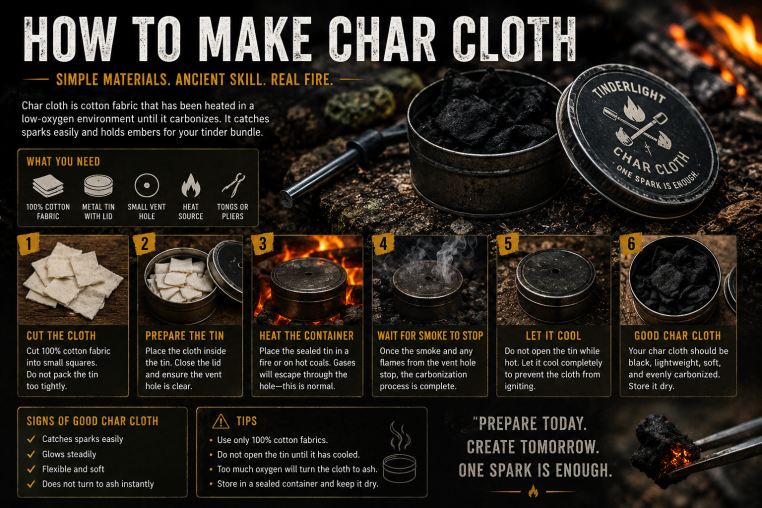
Char cloth is one of the oldest and most reliable ember materials in primitive firecraft. The process is simple, but precision matters. Properly made char cloth catches sparks easily, holds embers well, and dramatically improves traditional fire starting. What Is Char Cloth? Char cloth is fabric that has been heated in a low-oxygen environment until … Continue reading “How to Make Char Cloth”
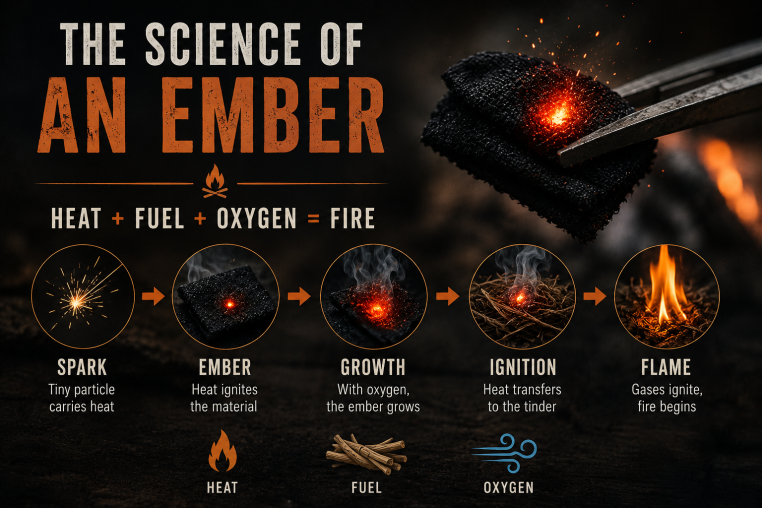
Primitive firecraft may feel ancient, but the process behind it is rooted in real science. Every successful fire begins with the same chain reaction:heat, fuel, oxygen, and ignition temperature. Understanding how embers work helps explain why materials like char cloth are so effective. What Is an Ember? An ember is a slow-burning piece of material … Continue reading “The Science of Ember Ignition”
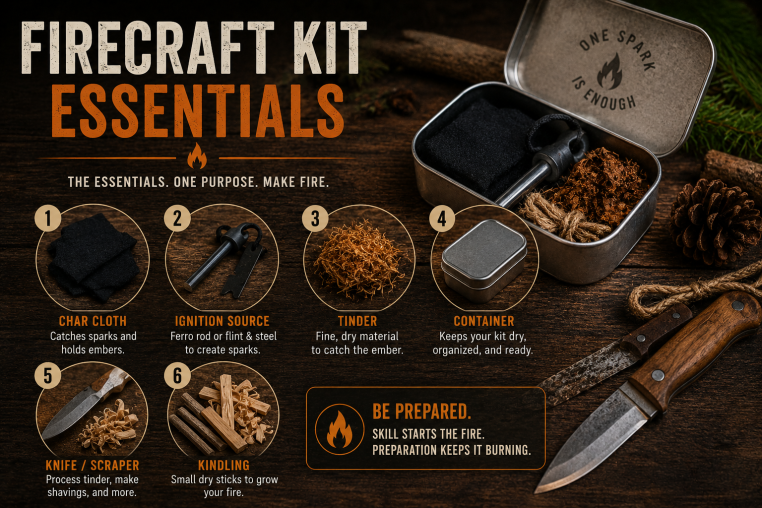
A good firecraft kit does not need to be large. The best kits are simple, reliable, and built around one purpose: creating fire when it matters. Primitive firecraft rewards preparation. A well-built kit keeps your materials dry, organized, and ready to use in the field. The Core Principle Every fire needs: A proper firecraft kit … Continue reading “Firecraft Kit Essentials”
Primitive firecraft is simple, but it is not effortless. Most failed fire attempts are not caused by bad luck. They happen because of small mistakes in preparation, materials, or technique. Understanding those mistakes is often the difference between frustration and success. Mistake #1: Using Damp Tinder Moisture is one of the biggest enemies of fire … Continue reading “Common Fire Starting Mistakes”
At first glance, char cloth does not look impressive. It is lightweight, blackened fabric that appears almost burned already. But that simplicity is exactly what makes it one of the most effective traditional fire-starting materials ever used. Char cloth works because it transforms weak sparks into lasting embers. What Is Char Cloth? Char cloth is … Continue reading “Why Char Cloth Works”
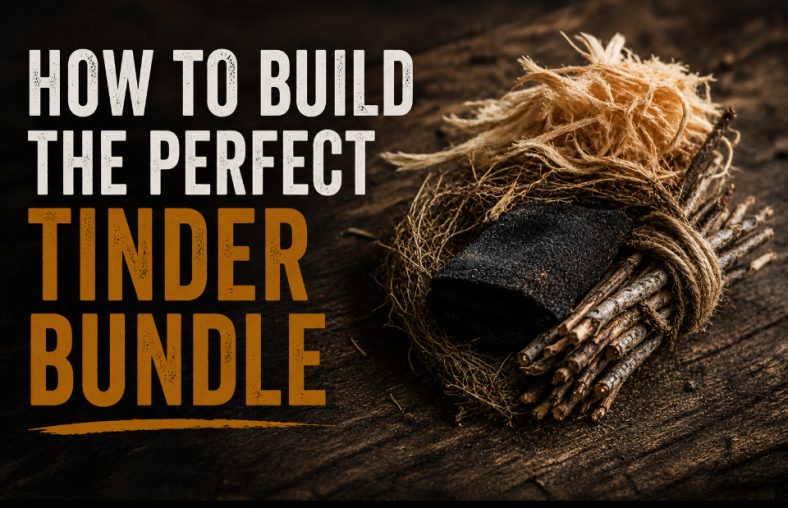
A spark alone is not enough. One of the most overlooked parts of primitive firecraft is the tinder bundle itself. You can have excellent char cloth, strong sparks, and perfect technique, but without proper tinder, the ember dies before flame ever appears. A good tinder bundle turns a tiny glowing ember into a real fire. … Continue reading “How to Build the Perfect Tinder Bundle”
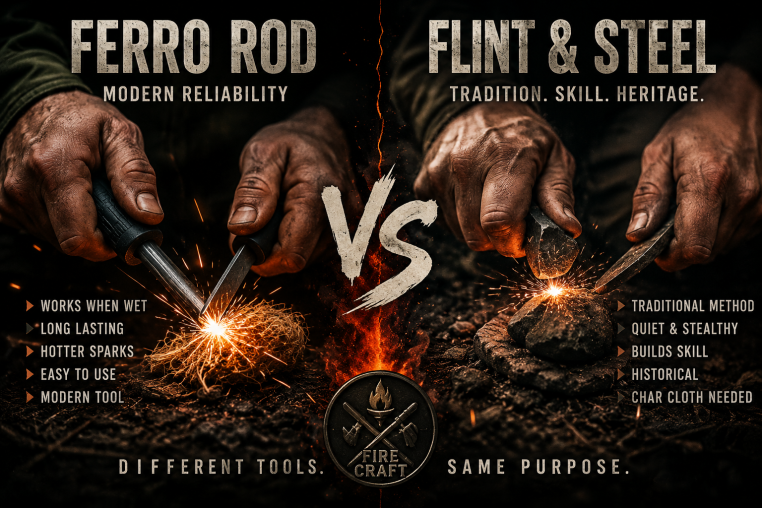
Both ferro rods and traditional flint and steel can start a fire. But despite looking similar to beginners, they work very differently. Each method has strengths, weaknesses, and its own place in firecraft. What Is a Ferro Rod? A ferrocerium rod, commonly called a ferro rod, is a modern fire-starting tool made from a synthetic … Continue reading “Ferro Rod vs Flint and Steel”
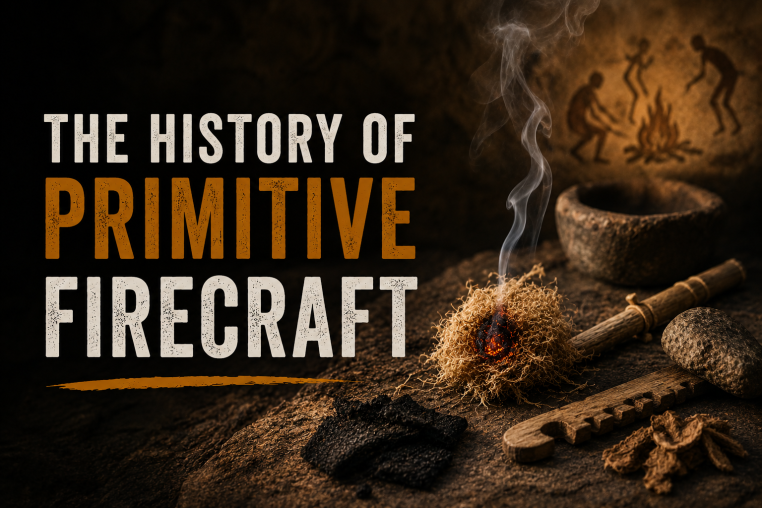
Fire changed human history. Long before electricity, engines, or modern tools, the ability to create flame meant survival. Fire provided warmth, protection, cooked food, purified water, and allowed men to endure environments that would otherwise kill them. Primitive firecraft is not a modern hobby. It is one of humanity’s oldest skills. Before Matches and Lighters … Continue reading “The History of Primitive Firecraft”
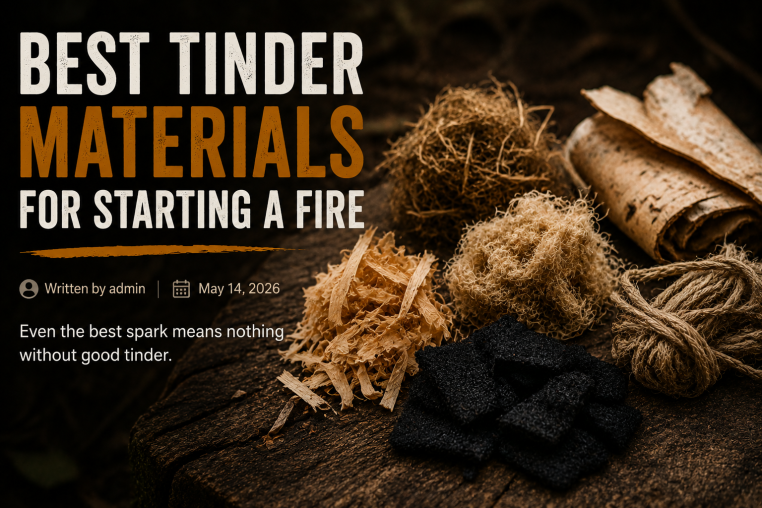
Even the best spark means nothing without good tinder. One of the biggest mistakes beginners make in primitive firecraft is focusing only on the spark itself while ignoring the material that actually turns that ember into flame. Good tinder catches easily, burns hot, and allows airflow. Bad tinder smokes, smolders, and dies. What Makes Good … Continue reading “Best Tinder Materials for Starting a Fire”
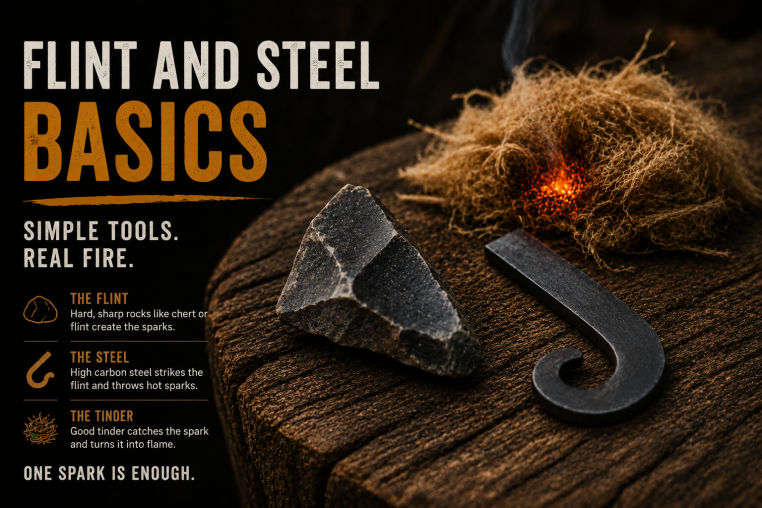
Flint and Steel Basics Long before disposable lighters existed, men carried fire in a far simpler form: steel, stone, tinder, and skill. Flint and steel remains one of the oldest reliable methods of fire starting ever used. It is primitive, effective, and still works today exactly as it did centuries ago. How Flint and Steel … Continue reading “Flint & Steel Basics”